If you are experiencing hair thinning or have visible scalp areas, you might have come across two popular terms, SMP and microblading. But do you know the real difference between scalp micropigmentation and microblading? We’ve got you covered.
Scalp micropigmentation is gaining popularity because it delivers natural-looking, long-lasting results and effectively creates the appearance of fuller hair, unlike microblading, which is explicitly designed for eyebrows.
At True Scalp Clinic in Milton Keynes, we deliver subtle, realistic results through scalp micropigmentation (SMP) to boost your confidence and enhance your overall appearance.
Want to know the difference between scalp micropigmentation and microblading? This guide will help you understand which treatment is designed for which purpose and which option may better suit your goals.
Difference Between Scalp Micropigmentation and Microblading: Here’s What You Need to Know
What Is Scalp Micropigmentation?
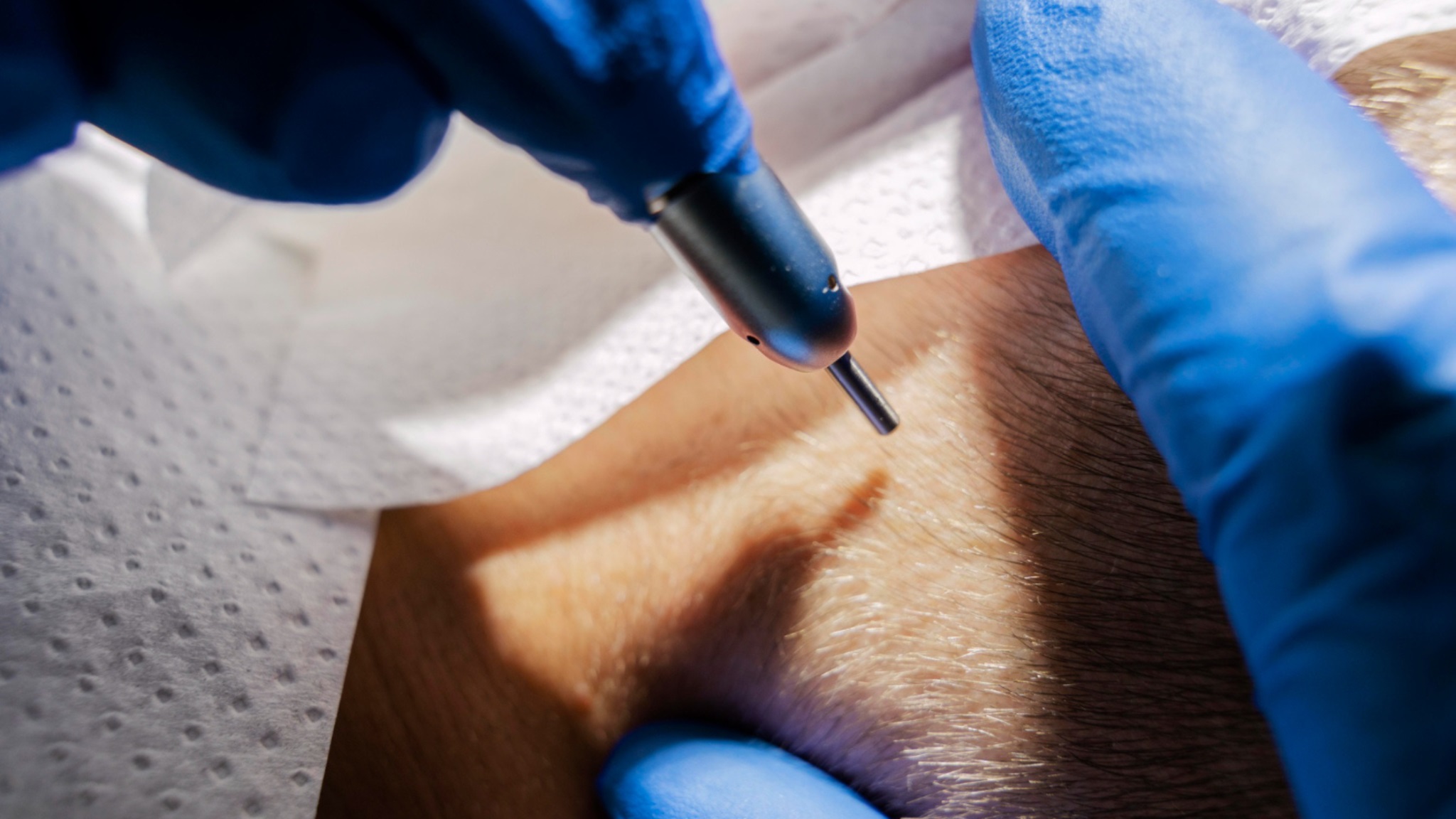
Scalp micropigmentation (SMP) is a non-surgical cosmetic procedure that creates the appearance of natural hair follicles using specialised pigments and micro-needles.
The treatment is designed specifically for the scalp and is widely used to address:
- Male and female pattern hair loss
- Thinning hair
- Receding hairlines
- Alopecia
- Hair transplant scars
- Complete baldness
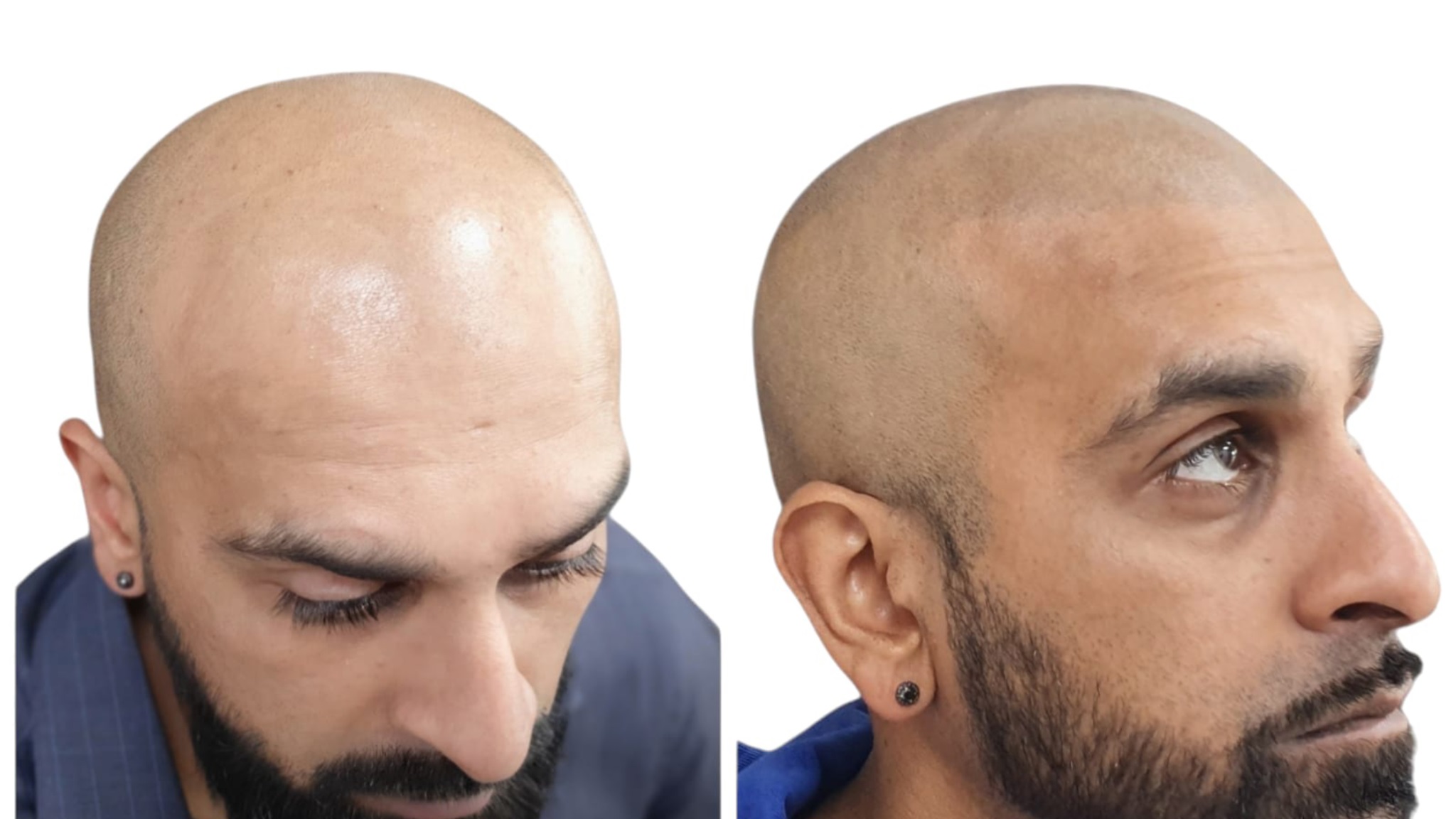
By depositing tiny pigment impressions into the scalp, SMP creates the illusion of greater hair density or a freshly shaved hairstyle.
Common Benefits of SMP
- Immediate visual improvement
- Low maintenance
- Suitable for men and women
- Natural-looking results
- Long-lasting appearance
- Non-invasive alternative to surgery
What Exactly Is Microblading?
Microblading is primarily a semi-permanent cosmetic procedure used to enhance eyebrows. During the treatment, fine strokes resembling eyebrow hairs are created with a handheld blade and pigment.
Its purpose is entirely different from scalp micropigmentation.
Microblading is commonly used for:
- Sparse eyebrows
- Uneven eyebrow shapes
- Over-plucked brows
- Cosmetic enhancement
Although some practitioners have experimented with scalp microblading, the technique isn’t designed for larger scalp areas and generally doesn’t achieve the realistic density of SMP.
Understanding the Core Difference Between Scalp Micropigmentation and Microblading
While both treatments involve pigments, the similarities largely end there.
1. Purpose
- Scalp Micropigmentation: Designed to replicate hair follicles and conceal hair loss.
- Microblading: Created specifically to mimic eyebrow hairs and enhance facial features.
2. Technique Used
SMP:
- Uses specialised digital equipment
- Deposits pigment into the upper dermis
- Creates thousands of tiny follicle impressions
Microblading:
- Uses a handheld blade
- Creates hair-like strokes
- Primarily intended for eyebrows
3. Area Treated
Scalp Micropigmentation:
- Entire scalp
- Crown area
- Hairline
- Scar camouflage
Microblading:
- Eyebrows
This distinction alone explains much of the difference between scalp micropigmentation and microblading.
4. Longevity
- Scalp micropigmentation: Typically lasts several years before requiring a touch-up.
- Microblading: Usually fades faster and often needs refreshing every 12-18 months.
5. Appearance
SMP produces:
- A shaved-head effect
- Increased density for thinning hair
- A natural hair follicle appearance
Microblading creates:
- Individual hair strokes
- Fuller-looking eyebrows
Which Treatment Is Better for Hair Loss?
For individuals dealing with:
- Male pattern baldness
- Female hair thinning
- Alopecia
- Scar camouflage after hair transplants
Scalp micropigmentation is generally the more suitable option.
Think of it this way. If microblading is like sketching individual eyebrow hairs, scalp micropigmentation is like creating the visual texture and density of an entire hairstyle.
Who Is an Ideal Candidate for Scalp Micropigmentation?
SMP is a suitable treatment option for people who:
1. Have Thinning Hair
Adding the illusion of density can make hair appear fuller.
2. Are Completely Bald
SMP can recreate the appearance of closely shaved hair.
3. Want to Hide Hair Transplant Scars
Pigments help blend scars with surrounding hair follicles.
4. Prefer Non-Surgical Solutions
No incisions, recovery time, or ongoing medications are required.
Why People Are Choosing Scalp Micropigmentation Over Surgery
Many clients today are seeking:
- Lower-maintenance solutions
- Faster results
- Affordable alternatives to hair transplants
- Natural-looking hairline restoration
Scalp micropigmentation offers all of these benefits without the downtime associated with surgery.
The Bottom Line
Understanding the difference between scalp micropigmentation and microblading is essential when exploring cosmetic solutions for hair loss. While both procedures involve pigments, they serve entirely different purposes.
If your concerns are thinning hair, baldness, or scalp scars, scalp micropigmentation offers a proven, natural-looking, non-surgical solution that can transform your appearance and confidence.
At True Scalp Clinic, we specialise in scalp micropigmentation, density enhancement, tattoo hairline restoration, scar camouflage, alopecia treatment, and custom hair tattoos for men in Milton Keynes. Our goal isn’t simply to apply pigment; we help clients regain confidence and feel comfortable in their appearance again.
Want to refine the look of your scalp with scalp micropigmentation? Contact True Scalp Clinic today to achieve a fuller-looking, more confident appearance.